
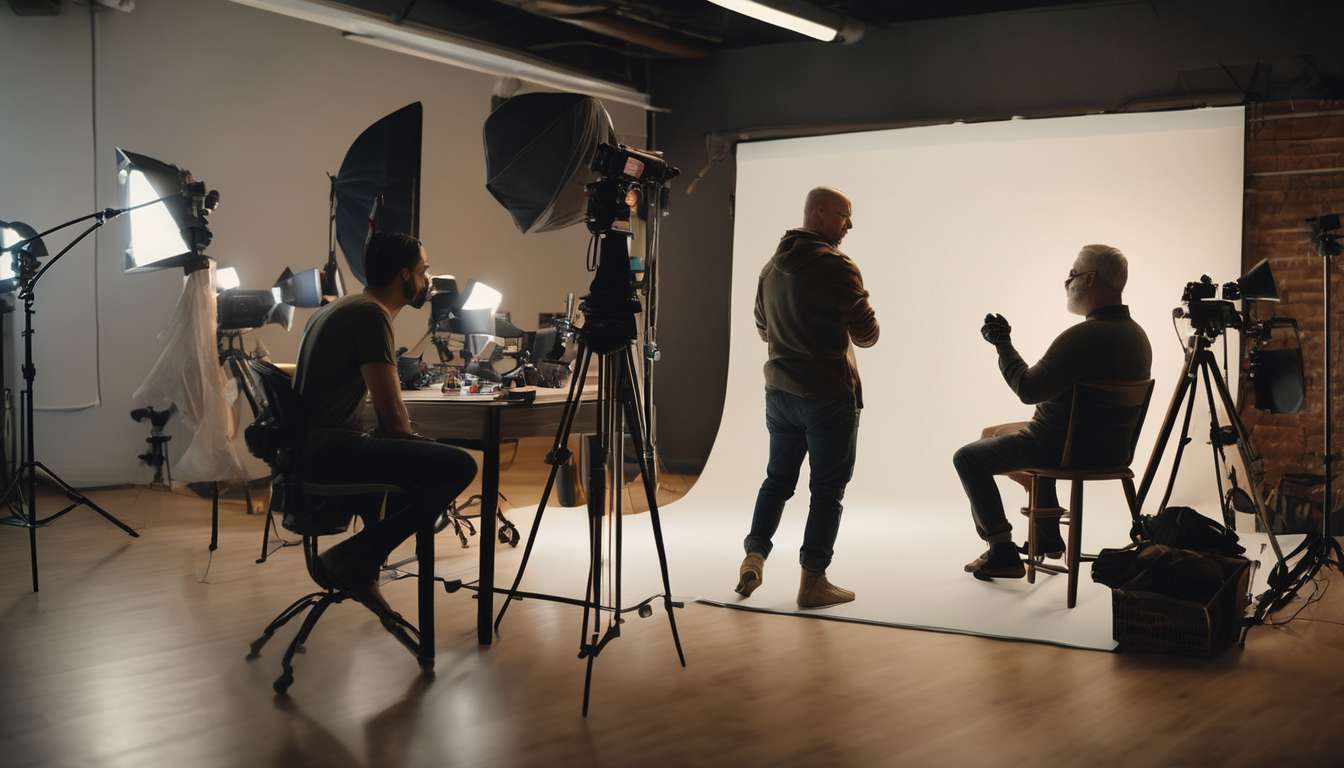
Problem statement — inconsistent protections cause avoidable harm and inefficiency.
We observe performers, photographers, producers, and crew navigating ambiguous consent forms, uneven health and safety standards, and unclear grievance processes. These fractures undermine trust and risk careers.
Common pain points that derail projects:
- Inadequate onboarding.
- Lack of standardized medical and mental‑health supports.
- Power imbalances during negotiations.
- Weak data‑privacy safeguards for content and personal information.
Why we map these problems up front.
By naming these problems, we can prioritize practical remedies and policy designs that center worker autonomy, dignity, and safety.
Evidence and approach.
We will draw on industry examples, stakeholder interviews, and labor‑rights frameworks to propose workable steps producers and teams can adopt immediately.
Goal and tone.
Our aim is not moralizing but empowering: to equip project teams with clear protocols, equitable contracting practices, and accountability mechanisms so creative collaboration can thrive without placing people at unnecessary risk.
Onboarding and Orientation
We’ll make sure every new team member gets a clear, consistent orientation that covers safety protocols, consent procedures, and role expectations before they work on set.
We introduce everyone to consent protocols and on-set safety from day one, so people know what to expect and how to raise concerns.
We’ll run through practical steps—emergency exits, contact points, personal boundaries, and communication signals—so the environment feels predictable and respectful.
We also explain reporting channels and confidentiality measures to protect performer wellbeing and team trust.
We’ll pair newcomers with experienced buddies for their first shoots, giving hands-on support without judgment.
We encourage questions and regular check-ins, and we’ll adjust orientation content based on feedback so it stays relevant and inclusive.
By standardizing these practices, we create a community where people belong, feel secure, and can focus on their work.
Clear expectations and responsive support help everyone contribute safely and confidently to projects.
Consent and Release Protocols
We’ll require written, time-stamped releases and clearly documented, revocable consent for every person appearing in a shoot before any photography begins.
We also commit to transparent consent protocols that spell out usage, distribution, and duration of rights in plain language so everyone feels included and informed.
We’ll obtain consent anew for changes in scope or context, and we’ll log revocations immediately to prevent misuse.
We’ll train production leads to verify IDs, confirm comprehension, and record consent events as part of on-set safety routines; these steps build trust and reduce ambiguity.
We’ll provide private opportunities to ask questions and set boundaries without pressure, reinforcing performer wellbeing as central to our work.
We’ll use digital time-stamped systems and secure storage with restricted access, and we’ll designate a point person for consent concerns.
By making consent protocols consistent, accessible, and reversible, we create a collaborative environment where people know they belong and their autonomy is respected.
Health and Wellness Standards
We’ll maintain clear health and wellness standards that require routine pre-shoot screenings, access to medical support, mandatory rest breaks, and confidential reporting of any concerns.
We create a shared environment where consent protocols are reinforced alongside medical checks so everyone feels seen and supported.
We’ll ensure on-set safety by keeping trained first-aid responders available, stocking essential supplies, and setting clear procedures for escalating health issues without stigma.
We commit to scheduling that respects energy levels and mandates breaks to protect performer wellbeing, and we’ll rotate duties to avoid burnout.
We encourage open dialogue in which team members can voice needs privately or in group check-ins, and we’ll preserve confidentiality for any health disclosures.
We’ll provide information on local health resources and an accessible process for requesting adjustments.
By combining practical measures, transparent communication, and mutual respect, we build belonging and trust, making health and wellness a shared responsibility that strengthens both safety and creative collaboration.
Negotiation and Compensation Equity
Transparent, fair negotiation and compensation
We will establish transparent negotiation practices and equitable compensation structures so every team member is paid fairly, understands how rates are set, and can negotiate without fear of retaliation.
We will:
- Set clear pay bands.
- Document role-specific rates.
- Share bargaining guidelines so people feel included and respected.
Compensation will be linked to:
- Experience.
- Licensing terms.
- Any additional responsibilities.
We will provide accessible, impartial dispute resolution.
Written offers and change communication
We require that all offers and contract changes be communicated in writing, with time to consider and ask questions.
We will:
- Train producers and managers in bias-free negotiation.
- Mandate that consent protocols be honored in all discussions about scenes and pay.
On-set safety and wellbeing
We will factor on-set safety measures and performer wellbeing into compensation for high-risk work, and ensure safety equipment or personnel are not optional extras.
Feedback, reporting, and review
We will create a feedback loop so team members can propose adjustments, report coercion, or recommend improvements without reprisals.
We will:
- Review pay equity regularly.
- Publish summary findings to foster trust and belonging.
Privacy and Data Safeguards
We’ll implement robust privacy and data safeguards.
- Limit access: Restrict who can access personal and production-related information on a need-to-know basis.
- Secure storage and access: Use encrypted storage and authenticated access to prevent leaks.
- Controlled sharing: Define and enforce rules for how information is shared both internally and externally.
We’ll maintain clear consent protocols.
- Consent scope: Cover recording, distribution, and data retention in consent agreements.
- Informed participants: Ensure every team member feels respected and informed about how their data and likeness may be used.
We’ll set explicit retention and accountability measures.
- Retention schedules and purge procedures: Define how long information is stored and when it is securely deleted.
- Access logging: Log access to sensitive materials to ensure accountability and traceability.
We’ll train the team in data handling and incident response.
- Training: Teach proper data handling practices to all relevant staff.
- Incident response: Maintain clear, fast, and transparent procedures for responding to breaches, with care for affected people.
We’ll coordinate privacy with on-set safety and wellbeing.
- Complementary measures: Align privacy protections with on-set safety practices without duplicating operational safety details.
- Performer wellbeing: Ensure data protections reinforce performer trust and wellbeing.
We’ll regularly review and update policies.
- Ongoing review: Periodically revisit policies with the team.
- Feedback and adaptation: Welcome feedback and update safeguards to reflect changing technologies and community expectations.
- Build trust: Foster trust and belonging across projects through transparent, evolving practices.
Safe Set Practices
We’ll establish clear, enforceable safe set practices that minimize physical and emotional risks, define roles and responsibilities, and ensure everyone knows how to speak up and get help.
We create and follow consent protocols that are explicit, documented, and revisited before each scene so boundaries are honored and changes are respected.
We assign a trained safety lead who coordinates on-set safety, manages equipment checks, enforces breaks, and monitors fatigue and comfort.
We cultivate routines that normalize asking questions and pausing work when concerns arise; that shared rhythm fosters belonging and trust.
We provide private changing areas, clear signage for restricted zones, and hygiene procedures that reduce physical risk.
We build schedules with reasonable call times and guaranteed rest to protect performer wellbeing and mental stamina.
We include pre-shoot briefings that clarify choreography, props, and cues so consent stays informed and dynamic.
We maintain open communication channels and post-shoot check-ins to address discomfort and to continuously improve practices that keep our team safe, respected, and supported.
Grievance and Reporting Systems
We’ll establish clear, confidential, and accessible reporting channels so anyone can raise concerns, file grievances, or request support without fear of retaliation.
We define simple steps for reporting, including:
- Anonymous options
- Designated contacts
- Multiple formats (in-person, digital, and phone)
We document timelines for acknowledgement, investigation, and resolution, and guarantee confidentiality to protect privacy and trust.
We tie these systems directly to consent protocols and on-set safety expectations so reports about boundary breaches, coercion, or unsafe conditions are handled consistently.
We ensure complainants and respondents receive impartial support and regular updates, and offer restorative options where appropriate.
We keep records securely and use aggregated data to spot patterns affecting performer wellbeing.
We invite community input on the reporting process, and commit to timely, transparent remedies and protections against retaliation.
This approach builds belonging by showing we listen, act fairly, and prioritize everyone’s safety and dignity.
Training and Continuous Review
We will provide regular, evidence-based training and scheduled reviews so everyone stays skilled, informed, and accountable.
We will run mandatory workshops on consent protocols, clear communication, and boundaries so every team member feels respected and included.
Training will cover on-set safety procedures, emergency response, and equipment handling to minimize risks and build confidence across roles.
We will include modules focused on performer wellbeing, mental health awareness, and trauma-informed practice to ensure care before, during, and after shoots.
We will schedule periodic audits and feedback sessions where the whole team can suggest improvements, raise concerns, and co-create updated policies.
Continuous improvement will be guided by:
- Performance metrics
- Incident reviews
- Anonymous surveys
We will document training outcomes and make refresher courses easily accessible, acknowledging different learning styles and schedules.
By committing to transparent, evidence-based review cycles and collaborative training, we strengthen trust, shared responsibility, and a culture where safety, consent, on-set procedures, and performer wellbeing are central to how we work together.
What mental health resources are available specifically for photographers and production staff who may experience secondary trauma from working on adult content projects?
What supports exist for photographers and crew who face secondary trauma from adult-content work?
Specialized mental-health professionals.
- Trauma-informed therapists who understand sexual-content work and secondary traumatic stress.
- Clinicians experienced with sex-worker-friendly care and confidentiality concerns.
Peer-support groups and forums.
- In-person and online peer groups for photographers, performers, and crew to share experiences and coping strategies.
- Moderated online forums and anonymous discussion spaces to destigmatize conversations and reduce isolation.
Trauma-informed supervision and debriefs.
- Regular, structured debriefing sessions after shoots to process difficult scenes and emotional responses.
- Trauma-informed supervision practices that train leads to recognize signs of secondary trauma and provide immediate support.
Industry mental-health hotlines and referral networks.
- Dedicated hotlines for sex-industry workers and allied crew offering crisis intervention and referrals.
- Referral networks connecting production staff to clinicians, support groups, and legal or financial resources.
Workplace programs and policies.
- Employee Assistance Programs (EAPs) that include counseling, short-term therapy, and referrals.
- Policies ensuring privacy, access to time off for mental-health care, and clear reporting channels for distressing incidents.
Access and affordability measures.
- Sliding-scale counseling, community clinics, and pro-bono services tailored for freelancers and contract crew.
- Resource lists with low-cost teletherapy and local mental-health services.
Training and boundary-setting.
- Regular training on boundaries, consent, and emotional safety for all set members.
- Workshops on self-care, vicarious trauma recognition, and strategies to reduce exposure where possible.
How to help everyone on set feel seen and supported.
- Encourage routine debriefs and normalize seeking help.
- Provide clear information about available supports (EAPs, hotlines, referral lists).
- Build peer-support systems and access to trained therapists familiar with adult-content contexts.
- Ensure affordable, confidential counseling options and time-off policies for mental-health needs.
Bottom line:
Combining trauma-informed clinical care, peer supports, workplace policies, and accessible referral networks helps photographers and crew manage secondary trauma so they feel seen, supported, and able to seek help when needed.
How are long-term career development and transferable skill pathways supported for performers and crew who want to transition out of the adult industry?
We’ll prioritize clear pathways and training so performers and crew can move into new careers with confidence.
We’ll offer targeted training and skill-building programs, including:
- Résumé workshops tailored to translating performance/crew experience into marketable job descriptions.
- Credential programs and certification pathways for skills like production, editing, marketing, and project management.
- Mentorships and portfolio development to showcase transferable work.
We’ll connect people to career support networks and services.
- Career counseling and job placement networks.
- Alumni communities for ongoing support, referrals, and peer mentoring.
We’ll advocate for fair hiring practices and recognition of industry experience.
- Promote nondiscriminatory hiring policies.
- Certify and document members’ experience so they are recognized and belong in new workplaces.
What protocols exist for managing situations where a performer or crew member wants to withdraw previously given consent after content has already been produced and distributed?
Document the request immediately.
Review the contract and consent forms to determine the rights granted and any withdrawal or revocation clauses.
Pause further distribution where possible and stop any scheduled postings or promotions.
Assess legal obligations, including mandatory reporting duties and whether the requester’s withdrawal is effective under applicable law.
Notify platforms and partners who have received the content and request removal or suppression.
Pursue takedowns using platform tools (DMCA, privacy requests) and, where necessary, send formal takedown notices or legal letters.
Offer support to the requester, such as counseling referrals, legal referrals, and a clear explanation of what can and cannot be done.
Keep communication transparent and respectful of privacy, providing updates on actions taken and timelines while protecting sensitive details.
Follow agreed remedies or court instructions to resolve disputes fairly, and document all actions taken and responses for the record.
Conclusion
You’ve built a framework that centers safety, dignity, and fairness across every stage of adult photography projects.
By onboarding clearly, securing informed consent, upholding health standards, negotiating equitable pay, and protecting privacy, you reduce risk and foster trust.
Safe set practices, accessible grievance channels, and ongoing training keep standards current and enforceable.
Keep reviewing and adapting these protections — they’ll safeguard participants, strengthen professional relationships, and sustain ethical, resilient production environments.